
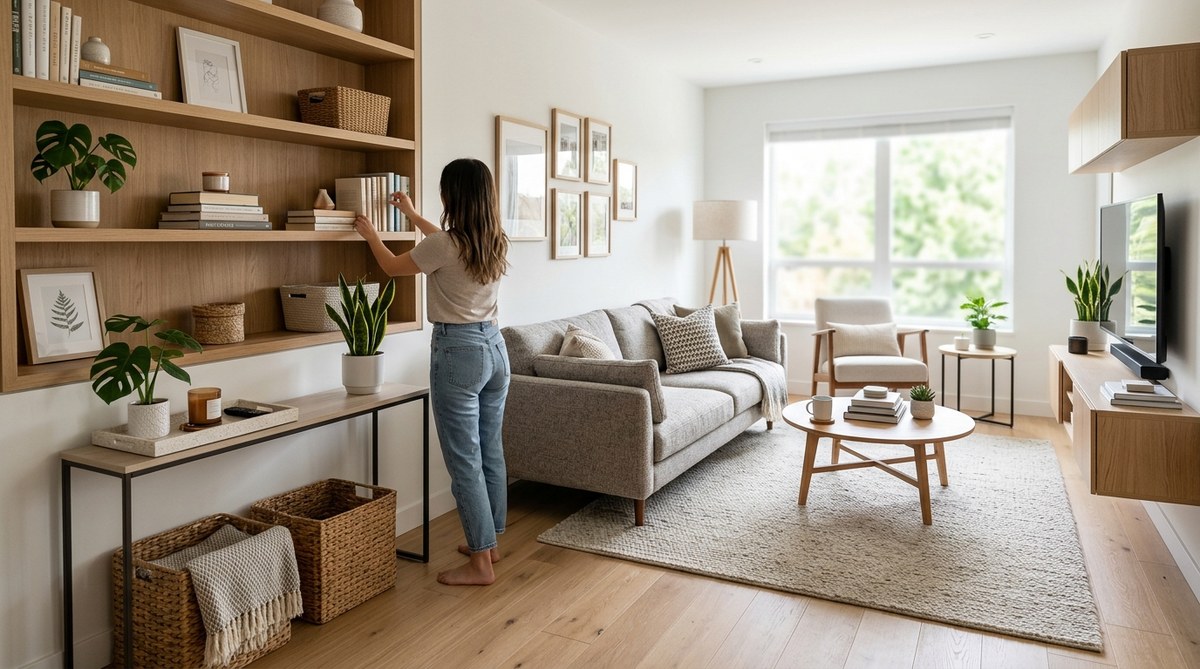
Transforming your living room into a neat, spacious area doesn’t require a complete overhaul. It’s about making smarter choices with your furniture, storage, and layout. Whether your space feels cramped or cluttered, these straightforward steps can help you create a more organized and inviting environment. With a few adjustments, your living room can become both functional and relaxing, perfect for family gatherings, entertaining, or just unwinding after a busy day.
Maximizing your living room space involves smart furniture choices, decluttering, utilizing vertical areas, and creative storage solutions. These practical tips help create a more open, organized environment that adapts to your needs and lifestyle.
How to start organizing and maximize space in your living room
Getting your living room in order begins with a plan. It’s about identifying what’s essential, what can be stored away, and how to arrange everything for maximum efficiency. Here are simple steps to guide you through the process.
1. Declutter and evaluate your current setup
The first step is to take a good look at what’s in your living room. Remove items that don’t belong or that you no longer use. This includes old magazines, excess throw pillows, and unused furniture. Be honest about what adds value and what just takes up space.
- Clear surfaces like coffee tables and shelves.
- Sort items into keep, donate, or discard piles.
- Assess your furniture layout for flow and accessibility.
Expert tip: “A clutter-free space is the foundation of an organized living room. Regularly reviewing what’s in your space helps prevent buildup and keeps things manageable.” — interior design specialist Jane Doe.
2. Choose multifunctional furniture
Furniture that serves more than one purpose can dramatically increase your usable space. Think about pieces that fold, expand, or store items.
- Opt for a sofa bed or futon for guest sleeping options.
- Use ottomans with hidden storage for blankets and magazines.
- Select coffee tables with drawers or shelves.
3. Use vertical space smartly
Walls are often underutilized. Adding shelves or wall-mounted storage frees up floor space and keeps belongings within reach.
- Install floating shelves for books, plants, or decor.
- Hang wall organizers for remote controls and magazines.
- Consider wall-mounted TVs to eliminate bulky stands.
4. Organize with containers and baskets
Using containers helps keep smaller items in order and prevents clutter from spreading.
- Use baskets under coffee tables for remotes and chargers.
- Store toys or craft supplies in labeled bins.
- Keep decorative boxes on shelves for seasonal decor.
5. Maximize corner and underused areas
Corners are prime real estate for storage or seating.
- Add corner shelves to display art or plants.
- Use corner units or cabinets to hide clutter.
- Place storage benches or seats that double as extra seating and storage.
6. Create zones for different activities
Designate areas for watching TV, reading, or working. This helps your space feel organized and intentional.
- Use rugs or furniture placement to define zones.
- Keep each zone tidy with dedicated storage.
- Avoid overcrowding by limiting furniture pieces.
7. Maintain your space regularly
Organization isn’t a one-time task. Make it a habit to tidy up weekly and reassess your setup every few months.
- Return misplaced items to their homes.
- Re-evaluate furniture needs as your lifestyle changes.
- Keep clutter from building up again.
Comparing techniques and common mistakes
| Technique | What to do | Common mistake |
|---|---|---|
| Decluttering | Regularly sort and remove unused items | Hoarding items just in case |
| Using multifunctional furniture | Invest in pieces with built-in storage | Overloading furniture with too many functions |
| Utilizing vertical space | Install shelves and wall organizers | Forgetting to secure wall-mounted items |
| Organizing with containers | Use labeled baskets and bins | Choosing containers that are too small or see-through |
| Creating activity zones | Arrange furniture to define spaces | Overcrowding zones with too much furniture |
Simple tips to avoid common pitfalls
- Avoid overfilling shelves that can make your space look cluttered.
- Keep pathways clear for easy movement.
- Don’t forget to secure wall-mounted items to prevent accidents.
- Be mindful of scale; large furniture can overwhelm small rooms.
- Regularly clear out items you no longer need or use.
Remember, organization is ongoing. Small, consistent efforts make a big difference over time.
Practical ideas to optimize your living room layout
- Use a layout that suits your lifestyle. For example, if you entertain often, keep seating flexible.
- Place frequently used items within easy reach and store seasonal or rarely used items out of sight.
- Consider adding mirrors to reflect light and make your space feel larger.
- Use area rugs to define zones and add warmth.
Final thoughts on creating your ideal living space
Organizing and maximizing space in your living room isn’t about perfection. It’s about making your environment work for you. Start with small steps like decluttering and choosing multifunctional furniture. Use vertical space and containers to keep things tidy. Remember, maintaining your setup is key. With patience and a little effort, your living room can become a more open, welcoming place that truly fits your lifestyle.
By implementing these practical tips, you’ll create a living area that’s comfortable, functional, and clutter-free. Your ideal space is within reach—start transforming it today.